
Table of Contents
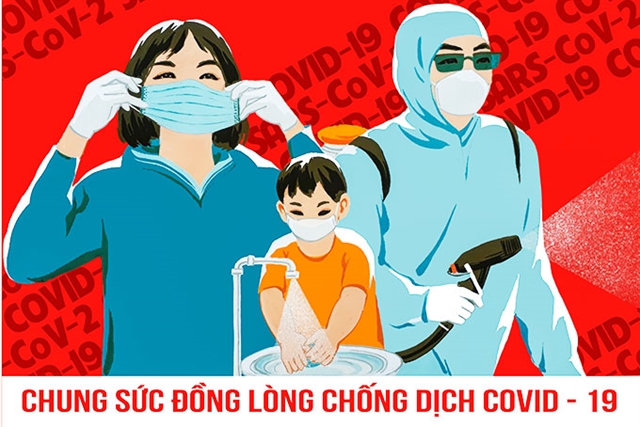
As the Government has responded rapidly to the Covid-19 Pandemic, after2 years, Vietnam has been one of the most successful countries in the world at combating the Covid-19 pandemic. According to the Ministry of Health, as of June 7, 2022 Vietnam had a total of about 10,7 million cases of Covid-10, about 9,5 million of whom have recovered and been discharged from hospitals. As the risk of Covid-19 has been mitigated, Vietnam’s socio-economy has recovered strongly over the last year.
The next step in the resilience strategy towards 2025 is Vietnam economic recovery in the new normal. Therefore, the Government has put great effort into attracting domestic and foreign investors. However when entering the Vietnam market in the “new normal”, investors should pay attention to the dramatic changes of the market. In addition, in this post-pandemic period, there are several valuable lessons that investors should keep in mind to optimize the potential of the Vietnam market. What are those lessons? Let us dive into some of the most valuable “takeaways” for businesses after the pandemic.
Crisis management: Preparing for crises – the sooner the better
The pandemic has shown us the value of adopting a crisis management plan into our daily business operations. Even in the most severe circumstances, a good crisis management strategy may lead you to success. The plan also helps the leaders make quick decisions to mitigate losses. It has the ability to restore the organization’s power, which is essential while facing insurmountable odds.
In other words, the pandemic has highlighted the importance of a Business Continuity Plan. This is the long-term strategy for your organization to keep business running in the event of such crises or disasters as fire, blood, pandemic or even cyber attack. It contains a list of actions that will be taken before, during or even after a catastrophic event.
A comprehensive Business Continuity Plan outlines procedures and instructions that your organization must follow in the face of such disasters. It covers business processes, assets, human resources, relationship with stakeholders and so on.
Having a crisis management plan means being “prepared” for the odds: You can take proactive steps to conquer the catastrophic event instead of letting it control your actions.
Technology: The key to further Vietnam economic recovery in the new normal
Technology has become an increasingly significant part of the workforce even before the pandemic. Businesses viewed technology as a useful tool for communications and workplace flexibility, and automating processes.
However, the unprecedented pandemic and prolonged lockdown accelerated the technology more immensely than ever before. The pandemic forced businesses to seek innovative digital solutions to keep business running.
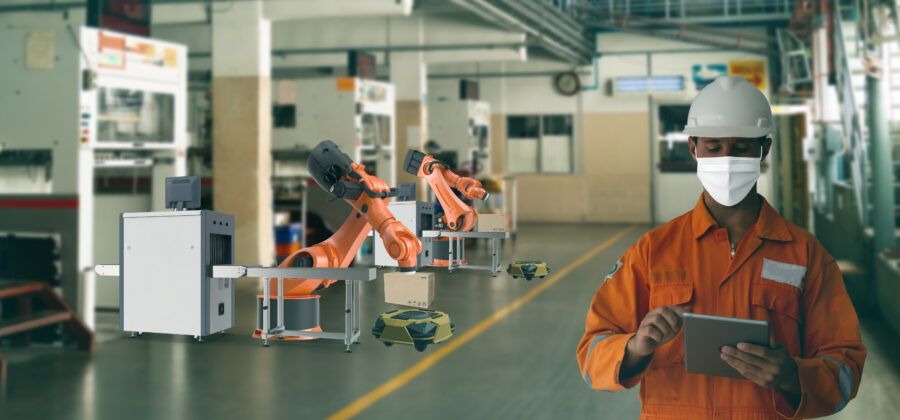
For example, information technology emerged as a vital player in the evolution of E-commerce during the pandemic as it could connect people regardless of social distance. Thousands of businesses shifted to online platforms, which together created the novel “pandemic commerce”. The Internet helped maintain the business function by enabling employees to work from home. Moreover, many companies have used cloud technology to increase the security and resiliency of virtual projects. Cloud technology has also made virtual employee training, communication, and cooperation more efficient.
According to IBM’s analysis, organizations who invested in technology during the pandemic outperformed their competitors and suffered fewer financial losses than those that did not.
Even after the pandemic, businesses will still need to transform their operation to keep up with the digital trend and stand out in the market. To keep investing in technology for the long-term is a wise decision for sustainable development in the future. In the near future, the advance of technology is promised to save us more time and money, make the operation more efficient and flexible.
Innovation: The matter of survival
During the pandemic, innovation became a matter of survival for businesses, especially the small ones. There was little opportunity to try new ideas during social-distancing periods, so firms had to just go with what they had. Many businesses have found that having the creative capacity and incentive to adapt and make adjustments is critical to their survival.
These days, we are living in a “VUCA” world. “VUCA” stands for volatility, uncertainty, complexity and ambiguity. Businesses have already faced challenges from ever-changing operating requirements, such as environmental regulations and new technologies. However, the pandemic has highlighted these changes and created more dramatic shifts, for example shifts in consumer behaviors.
Even when the pandemic comes to an end, these changes will continue to put considerable strain on businesses. Innovation and creativity can help businesses find lucrative opportunities among numerous changes which seem to cause troubles to the business.

Creativity and innovation can come in many forms. It can be developing a novel product or service or exploring a potential niche market. It can be an alteration to the business process that can boost productivity of employees.
To be creative and innovative, businesses must have an open mind, imagine and come up with new solutions to problems that did not even exist before. Making mistakes is inevitable while testing new things. However, more importantly, businesses need to learn rapidly from these mistakes. It’s not just about coming up with creative ideas, but putting them into action and being responsible for these actions.
Adopting the right states of mind
Although the COVID-19 would be over, other challenges such as climate change and trade disputes would probably emerge. Businesses must be ready to meet these challenges. Then which states of mind should businesses adopt in order to face new challenges in the near future?
First, being adaptable is a key. Both small and large organizations have had to adjust to the world’s largest agile working experiment during the pandemic. However, only the most adaptable ones can thrive in this rapidly shifting marketplace.
In Vietnam, according to the Director of the Business Development Research Institute, as Vietnam has reopened the economy, businesses should plan to recover rapidly and seek new markets as well as recruit more talents. In response to the relaxing of pandemic restrictions, enterprises are being encouraged to take advantage of the unique opportunities that are now on offer.
For example, businesses should take customer behavior into consideration. A shock like the Covid-19 pandemic can produce lasting changes in customer behavior. This is time for businesses to both challenge traditional ideas and use data to actively seek out anomalies and surprises.
Second, being agilely resilience boosts your organization’s power. It is advisable to make businesses resilient both for the pandemic and beyond. The pandemic brought to light the need for resilience. It is vital to safeguard operations, technology, buildings, and personnel against catastrophe events. In the face of adversity, organizations that established command centers and already had organizational structures in place to cope with pandemic-related difficulties fared well.
The third one is being intentional about learning new things. While adaptability is one success-driver, curiosity and the willingness to learn are means to achieve adaptability.
Understanding the profound impact of the pandemic into the way businesses are run, especially in the Vietnam market, Viettonkin is willing to provide you with updating knowledge and strategic approach to flourish in this market. Let’s contact us right now!


