
Table of Contents
Vietnamese State-owned enterprises (SOEs) are enterprises directly or indirectly owned or influenced by the Vietnam’s Government. In the recent decade, the Government has given top priority to enhancing SOE’s efficiency. However, the performance hasn’t been commensurate with its potential that the Government is putting great effort to incentivize investors to enter the sector. In this article, we will answer some fundamental questions about SOEs to give you a brief summary of this sector.
Vietnamese State-owned Enterprises – An overview
State-owned Enterprises (SOEs) were originally formed during Vietnam’s subsidy period by the Government. It was once the leading economic sector in the Vietnam market. After Doi Moi (1986), switching to the market-based economic model, these enterprises began to be equitized to mobilize more social resources with a view to being a significant contributor to the economic development of the country.
According to the General Statistic Office of Vietnam (GSO), Vietnamese State-owned Enterprises are involved in almost all economic activities of the economy. They have a tendency to favor certain economic sectors, such as manufacturing, construction and trade with the considerable number of the establishments. Furthermore, it has been shown that SOEs have traditionally dominated sectors including energy, steel, non-ferrous metals, electric and electronic manufacturing, chemicals, fertilizers, rubber, food processing, and printing.
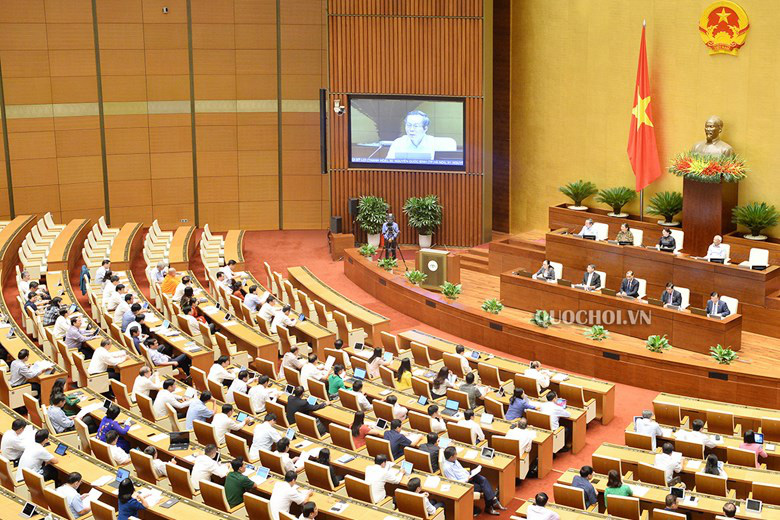
However, against the aim to contribute to the Vietnam economy, the number of SOEs has decreased significantly since Doi Moi started. The total number of SOEs was halved from 12,000 in 1991 to roughly 6,000 in 1994. The decline has kept going on recently. As of January 1, 2017, the number of operating SOEs was over 2,700, down 18.3% compared to 2012.
As recorded at the beginning of 2021, Vietnam had about 500 SOEs which held 100% of charter capital and about 200 SOEs which held controlling shares. Excluding defense, security and agro-forestry enterprises, there were only 94 large-scale SOEs. Specifically, there were 9 economic groups, 67 state-owned corporations, and 18 companies operating under the parent company and subsidiaries model.
What is the role of SOE in Vietnam’s socio-economy?
The SOE sector is one of the pillars in Vietnam’s economy. In 2018, according to GSO, the sector accounted for 28% of GDP, contributed nearly 30% of the state budget. At the same time, it also comprised 17% bank credit, and accounted for 60% of non-performing loans in the economy.
In 2021, with about 500 operating enterprises, SOE accounted for only a small proportion – 0.08% of the total number of enterprises in the whole economy. However, SOEs contributed 28% of total taxes and other payables to the state budget. In comparison to privately owned businesses and foreign-invested businesses, SOEs’ average tax and payable amount was VND 576 billion (approximately USD 24.8 million), 43 times higher.
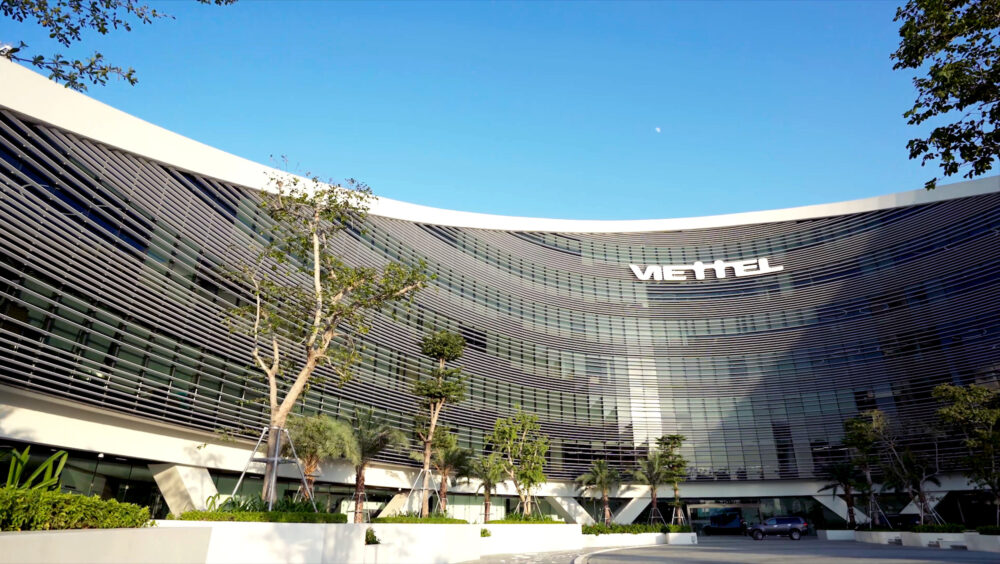
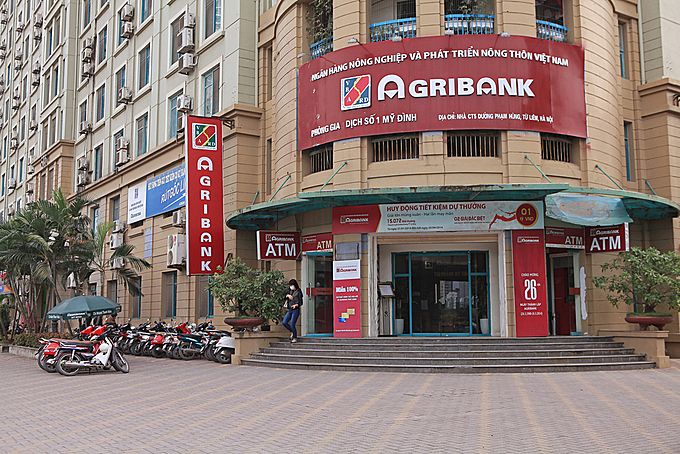
With more than 29 percent of the nation’s GDP coming from SOE, this sector held a significant market share in a variety of industries, including banking, telecommunications, and energy. In other words, SOE plays an important role in these industries. For example, currently, up to 96% mobile phone users use networks of Viettel, VNPT and Mobifone, 3 leading state-owned telecom providers. Besides, state-owned commercial banks such as BIDV, Vietcombank and Vietinbank accounted for more than a half of the total loan amount in the whole banking industry.
In addition, SOE plays a significant role in creating and expanding the infrastructure system required for socio-economic growth. It accounted for 24.6% of the State’s overall investment capital and 12% of all societal investment capital during 2016-2020. Many SOEs have also joined the State in ensuring national defense and security.
In short, SOEs have a great influence on the development of other Vietnamese industries. Investments made by SOEs in significant economic sectors have helped to ease the load on the state budget when implementing major projects. This has partially helped to restructure the economy and update the growth model.
How is the efficiency of SOEs?
The efficiency of SOEs has not been commensurate with its resources. Despite holding significant economic resources, SOEs do not have enough investment and development initiatives to spur innovation and enhance their competitiveness. SOEs did not implement many large-scale projects between 2016 and 2020. Instead, they only continued working on unfinished and inefficient projects from the previous periods. If there is no additional capacity, SOE’s contribution to the economy will be even more limited over the next five years.
Economists said that the SOE sector only needed to grow by 10% to help the whole economy expand more rapidly. However, the sector has been unable to do so for many years. The development of SOEs is still under expectation and requirement.
During a Government meeting, Minister of Planning and Investment Nguyen Chi Dung stressed that: “State-owned firms’ successes are only limited to a few sectors with considerable advantages, including mining, finance-banking, and telecommunications.” These enterprises still haven’t realized they could be the key driver to economic growth, he added.
Moreover, the restructuring of SOEs has had a lot to desire and concern because it iss primarily focused on divesting state capital, rather than seeking for innovative solutions in terms of technology or business strategy.
The world is changing rapidly everyday, which offers Vietnam many opportunities. However, SOEs cannot seize them despite having the greatest potential. This is due to the lack of vision for development, especially in further integrating into the global value chains, which the Government is putting tremendous effort to improve.
What is the Government’s action to develop SOEs?
Generally, the Government’s view is for SOEs to play the leading role in the whole economy and set up value chains to create spillover effects for the growth of the economy. Therefore, the Government has taken measures to promote the development of SOEs as well as incentivize foreign investment in SOEs.
To improve the scale and efficiency of SOEs
First, SOE reform or Vietnam’s equitization and divestment has been taking place since the 1980s. The process of SOE reform in Vietnam is divided into three main stages: the period of 1980−1986; the period of 1986−2001; and from 2001 to present. During the 3 stages, enterprise valuation is one of the most complicated, costly and lengthy steps. It is considered as a bottleneck that prevents a large number of SOEs from successful equitization and retard the reform process.
On March 17, 2022, the Vietnamese Government approved the project “Restructuring SOEs, focusing on economic groups and corporations in the period of 2021-2025″. On the basis of modern technology, innovation, and management according to the world standards, the project aims to increase the operational effectiveness and competitiveness of Vietnamese SOEs. Economists estimate that this is the right step of the Government to deal with the weaknesses as well as enhance the strengths in order to protect and expand capital in the state section.
Moreover, the project also points out the need to clearly identify key industries and fields that need the presence of SOEs in line with the country’s sustainable development orientation, such as renewable energy, high-tech industry, and important national infrastructure.
To encourage SOE’s role of leading other economic sectors, recently the Ministry of Planning and Investment drafted the project: “Developing large-scale SOEs, especially multi-owned state economic groups”. There will be seven SOEs of this sort, according to the project. These large-sized SOEs must be well-governed by following international standards (OECD). They must also have total assets of over VND 20,000 billion, a market share of at least 30%, a return on capital ratio of at least 6%, and the ability to master high technology.
The minister also stressed the necessity to change how we perceive equitization and the divestment of state investments in enterprises. Equitization and divestment must aim to increase the quality, effectiveness, and value of public investments, not to withdraw state money from SOEs and reduce their scope and scale.
To create favorable conditions for foreign investors
Because the equitization and divestment process has been slowed down by several factors, the Government has kept issuing new decisions in order to incentivise foreign direct investment in the SOEs and accelerate the process.
In 2019, the Ministry of Finance introduced Circular No.21/2019/TT-BTC which outlines the process of book building. This is a process in which an underwriter attempts to determine the price at which an initial public offering will be offered.
This Circular can help businesses determine market interest and purchase power before a transaction. It also improves the efficiency of the firm’s first public sales, which is especially important when it comes to a major auction involving foreign investors.
In addition, the Government also issued Circular No.03/2019/TT-NHNN in May 2019. The Circular allows foreign investors to make deposits in foreign currency when they register for an SOE auction. It is effective for both first-time sales of an SOE or state divestments. The transaction can be carried out at all approved banks.
Though the SOE sector seems to be a promising investment opportunity, there are quite a lot of challenges facing investors when entering this market. Viettonkin is confident to be an expert in the SOE sector. We can provide you with guidance and keep you updated about the changes of the market trend and regulations related to SOE. Let contact us right now to maximize your chance of success!


