
Table of Contents
The growth of U.S. capital flow into Vietnam has significantly influenced the nation’s economic landscape. This article delves into the historical phases and the profound significance of U.S. investment in Vietnam, offering a comprehensive view of the various stages of this dynamic relationship. From the early waves of U.S. FDI to current trends, we will explore how U.S. investment has evolved over the years. Along this journey, we will uncover the key players, sectors, and strategies that have defined U.S. capital flow in Vietnam, shaping the country’s economic trajectory. Stay tuned for a thorough analysis of the impact of U.S. capital flow on Vietnam’s economy and the potential for further foreign investment in Vietnam.
Early Waves of U.S. Capital Flow into Vietnam (1994-2007)
Emergence of U.S. Investments Before the Vietnam – U.S. Bilateral Trade Agreement (BTA)
The initial phase of U.S. capital flow into Vietnam, spanning from March 1994 to December 2001, occurred prior to the Vietnam-U.S. Bilateral Trade Agreement (BTA) era. During this period, numerous multinational giants, including Pepsico, Coca-Cola, Cargil, 3M, P&G, and Kimberly-Clark, embarked on ventures in Vietnam. These pioneering enterprises laid the foundation for long-term growth prospects. They not only established factories but also introduced and marketed their products in the Vietnamese market.
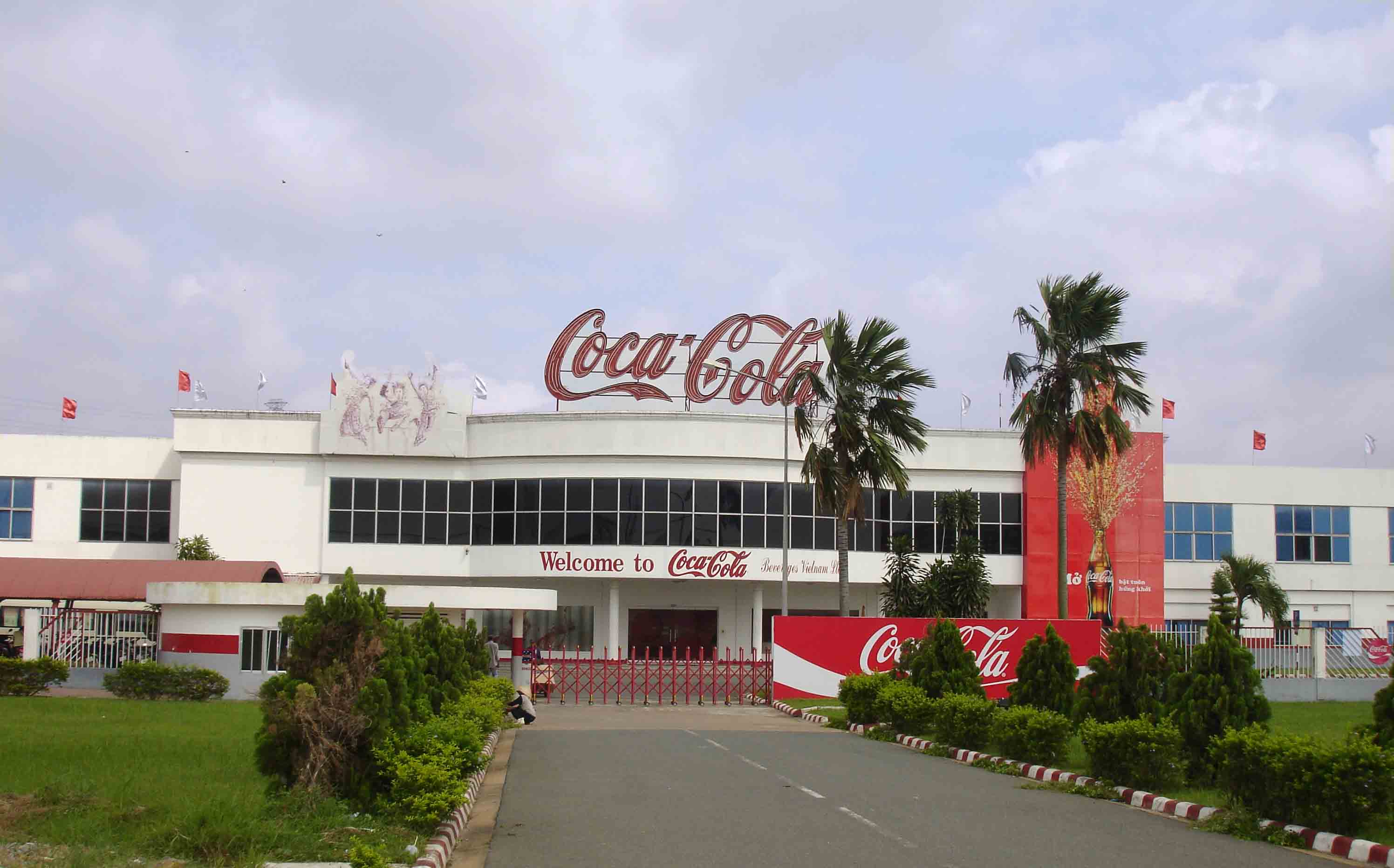
The wave of U.S. investment predominantly targeted the industrial sector, featuring 82 projects accounting for 63.6% of the total U.S. investments in Vietnam, equivalent to approximately 620 million U.S.D, a staggering 58.6% of the overall capital. The service industry followed with 31 projects, accumulating nearly 300 million U.S.D. Additionally, the agriculture, forestry, and fishery sector attracted 16 projects, totaling nearly 143 million U.S.D. Within the industrial sphere, heavy industry and the oil and gas sector took center stage by drawing the most substantial capital.
Evolution of U.S. Investments with Vietnam-U.S. Bilateral Trade Relationships (2001-2007)
From 2001 to 2007, a significant transformation occurred in U.S. capital flow as Vietnam and the U.S. cultivated bilateral trade relationships. The reduction of tax rates from 45% to a mere 3% played a significant role in shaping this wave of U.S. investment.
FDI inflow surged, particularly in sectors where Vietnam had a strong export presence in the U.S., with a keen emphasis on labor-intensive industries such as garments, footwear, wood processing, and furniture. A noteworthy feature of this wave was the influence of “partner factories” primarily situated in Korea, Hong Kong, Taiwan, and Singapore.
American enterprises actively integrated into the supply chain, directly engaging in the purchase and distribution of products aimed at the U.S. market. This active participation significantly contributed to the remarkable growth in bilateral trade between Vietnam and the U.S..
Strengthening Ties and Diversification in U.S. Capital Flow (2007-2013)
Reshaping Investment Landscapes Post-WTO Membership
During the period from January 2007 to 2012, an exceptional turning point emerged in the trajectory of U.S. capital flow into Vietnam. This transformation was driven by Vietnam’s accession to the World Trade Organization (WTO), which created new avenues for American investors to explore.
One notable investment during this period was by Intel Technology Group, which invested an impressive 1 billion U.S.D in establishing a cutting-edge factory in the high-tech precinct of Ho Chi Minh City. This substantial commitment was symbolic of the U.S. capital flow shifting its focus toward sectors that embraced modern science and technology. Vietnam’s emphasis on high-tech and knowledge-based industries received a significant boost from this strategic move by Intel.

The impact of these investments was palpable, propelling the United States to the 7th position among nearly 100 countries and territories that directly invested in Vietnam in 2011. The total registered U.S. investment capital reached an impressive 13.24 billion U.S.D during this period. It’s worth noting that these statistics don’t encompass investments by U.S. companies via third countries and territories.
U.S. Investment Diversification and Bilateral Trade Growth
This influx of capital played a crucial role in fostering bilateral trade growth, propelling the volume to 22 billion U.S.D in 2011. One of the prominent American companies contributing to this momentum was Procter & Gamble (P&G). In 2012, P&G made a remarkable additional investment of 80 million U.S.D to expand the Pampers Baby Care factory in Binh Duong. The General Director of P&G, Mr. Emre Olcer, highlighted that Vietnam held a prime position among P&G’s priority investment markets. P&G’s investment capital in Vietnam tripled during this time, surpassing the 200 million U.S.D mark in 2012, signifying a commitment to further growth and opportunities. These developments indicated the growing prospects and continued diversification of U.S. capital flow within Vietnam’s thriving economic landscape.
Current Trends in U.S. Capital Flow (2013-2022)
American Franchise Businesses and Indirect Investments in Vietnam
The years since 2013 have witnessed an intriguing evolution in U.S. capital flow into Vietnam, reflecting the changing landscape of the country’s investment climate. During this period, American franchise companies entered the Vietnamese market, with notable names like KFC, Subway, Burger King, Coffee Bean & Tea Leaf, Pizza Hut, and Pizza Domino establishing their presence. This wave of investment in the service and fast-food sector opened new avenues for American investors, diversifying their interests beyond traditional industries.
Notably, numerous American investment companies injected indirect capital into Vietnam, capitalizing on opportunities presented by the Vietnamese retail market. For instance, KKR invested a substantial 359 million U.S.D in Masan, while the Texas Pacific Group committed 50 million U.S.D to Masan Agriculture. This influx of indirect investment signified a promising outlook for the Vietnamese economy, laying the groundwork for further U.S. capital inflow.
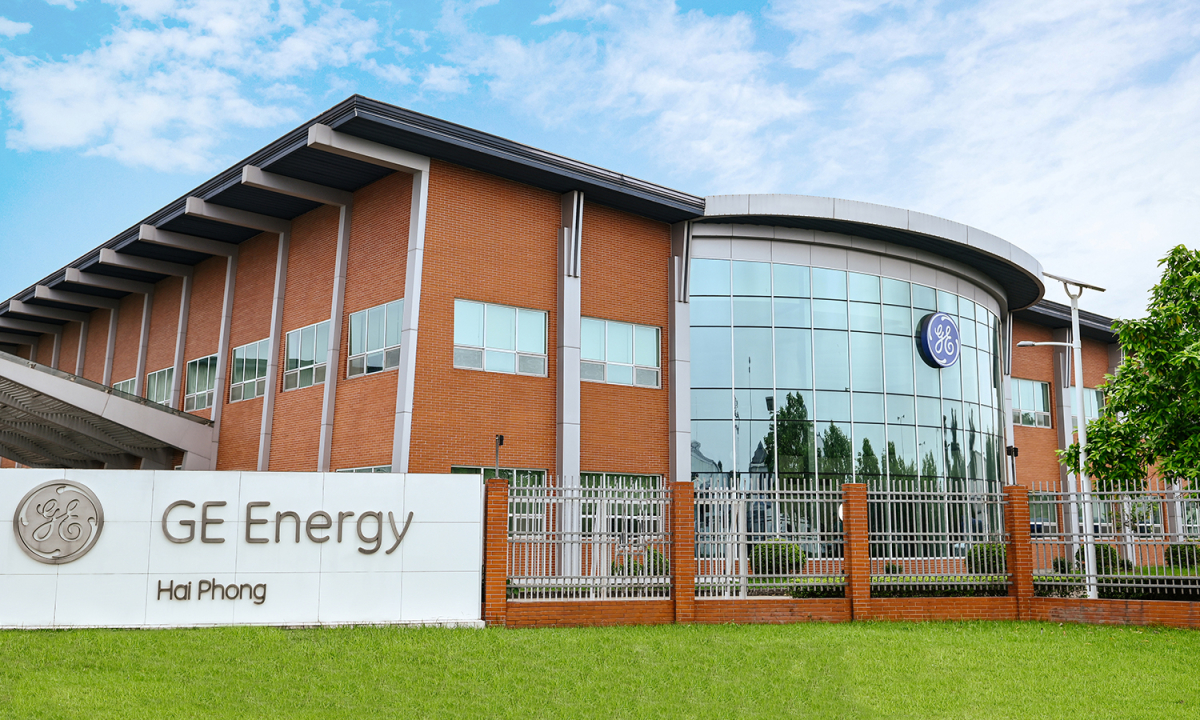
The implementation of the Trans-Pacific Partnership (TPP) and the establishment of the ASEAN economic community in 2015 has created more opportunities for U.S. capital flow into Vietnam. The growing presence of leading American corporations, including Chevron, Caterpillar, and General Electric (GE), in Vietnam underlines the confidence in the nation’s investment potential.
An exemplary case is General Electric (GE), which has made significant strides in Vietnam. GE signed a major contract in July 2012 with the National Power Transmission Corporation, involving the supply of equipment for a substantial power transmission project. The expansion of GE’s operations in Vietnam includes venturing into healthcare and medicine sectors, demonstrating the company’s ambitious plans for long-term growth and development.
Expanding Ventures and Industry Diversification
By the end of 2019, the total registered investment capital from American businesses in Vietnam exceeded 11 billion U.S.D, positioning the United States as the 11th largest contributor among countries and territories with investments in Vietnam. The diversification of investments across 17 out of 21 industries in Vietnam’s economic sub-sector system showcases the adaptability and comprehensive engagement of American investors. The dominance of 100% foreign capital investments reflects the confidence of U.S. investors in Vietnam’s business environment and growth potential.
In recent years, the momentum of U.S. capital inflow has continued unabated. In 2022, the United States invested approximately 748.17 million U.S.D in Vietnam through 91 new projects, ranking 8th among the countries investing in the nation. By February 20, 2023, the cumulative total investment from the U.S. reached 11.42 billion U.S.D across 1,223 projects. By examining these trends, it becomes evident that U.S. capital flow has played a significant role in shaping Vietnam’s economic landscape, underlining the strong bond between the two nations.
Final Thoughts
In summary, the trajectory of U.S. capital flow into Vietnam has significantly influenced the nation’s economic growth. The historical phases and shifting patterns in U.S. investment underscore the potential for enhanced collaboration between the United States and Vietnam in various sectors. To navigate this dynamic landscape and ensure successful U.S. capital flow ventures in Vietnam, seeking guidance from seasoned experts is critical. Discover how Viettonkin‘s tailored solutions can streamline your journey to investing in Vietnam and establish a prosperous partnership between the two nations.


