
Table of Contents
In recent years, Vietnamese enterprises have increasingly ventured into international markets, marking a significant shift in the global economic landscape. Here’s an overview of Vietnam’s outbound investment activities, exploring both the opportunities and challenges they face.
Current Landscape of Vietnamese Overseas Investments
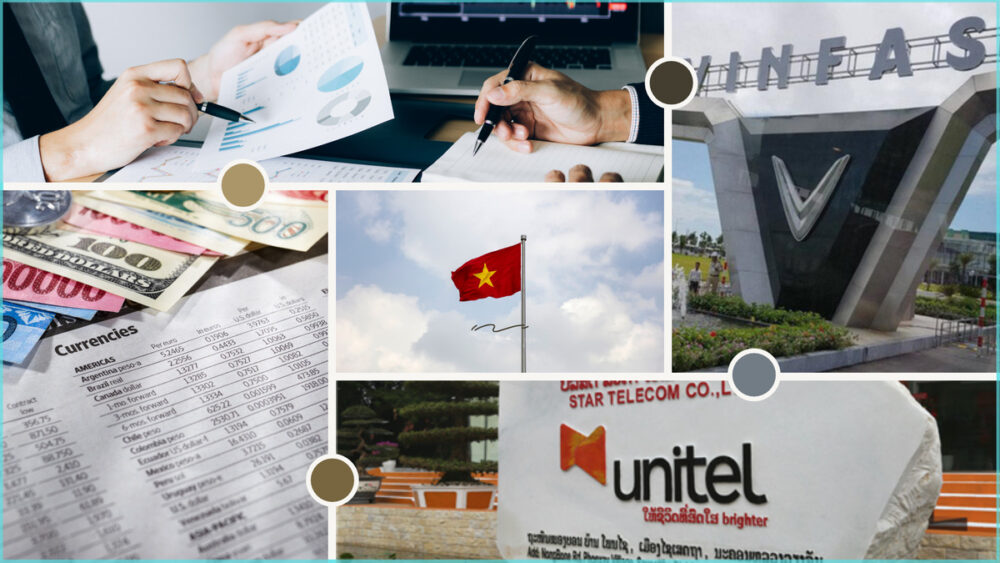
Vietnam has seen a steady rise in overseas investment activities, reflecting its integration into the global economy. As of now, Vietnamese enterprises have launched 1,733 projects abroad, totaling nearly USD 23 billion across 81 countries and territories. Despite this growth, overseas investments represent a modest 0.15% of Vietnam’s GDP, significantly lower than regional counterparts like China.
- Vietnam’s overseas investments: 1,733 projects totaling nearly USD 23 billion.
- Contribution to GDP: Overseas investments account for 0.15% of Vietnam’s GDP.
Forms and Trends in Overseas Investments
Vietnamese enterprises predominantly invest in establishing economic organizations abroad, comprising 91% of ventures. Recently, there has been a notable increase in equity investments and joint ventures, allowing Vietnamese firms to tap into foreign markets’ technology and market advantages.
- Investment forms: 91% in establishing economic organizations abroad.
- Emerging trend: Increased participation in equity capital contributions and share purchases.
Strategic Shifts and Industry Focus
Over the past five years, Vietnamese enterprises have strategically diversified their overseas investment destinations, moving beyond neighboring countries with similar policy conditions like Laos and Cambodia. Instead, they are targeting developed economies such as Japan, South Korea, the US, EU, Australia, and Singapore. This strategic pivot aims to leverage advanced market conditions and technological capabilities, facilitating entry into sectors with higher added value.
- Strategic shift: Focus on developed economies for higher-value investments.
- Industry focus: Beyond traditional sectors like mining and agriculture, Vietnamese enterprises are increasingly investing in sectors such as:
- Processing and Manufacturing: Venturing into advanced manufacturing facilities to capitalize on technological advancements and market access.
- Banking and Financial Services: Expanding financial service offerings to meet global market demands and enhance financial inclusivity.
- High Technology: Investments in digital technology and innovation, with notable successes in markets like Japan and South Korea, exemplified by companies such as FPT.
This strategic diversification allows Vietnamese enterprises to mitigate risks associated with resource-intensive industries while enhancing their competitiveness in global markets.
Challenges and Risk Mitigation Strategies
Despite supportive policies, Vietnamese enterprises face challenges such as insufficient financial support and inadequate understanding of international legal frameworks.
Dr. Pham Duy Nghia, Director of the Public Policy Program at Fulbright University Vietnam, highlights the critical importance of risk management in international investments. He points out that while some projects, like those of PVN in Venezuela, have encountered challenges, others, such as Viettel’s ventures in Tanzania and Mozambique, have been successful. The key lies in thorough research and understanding of local conditions.
Mr. Nghia emphasizes that international investments should be approached like marriages: without careful research and preparation, risks can escalate. He stresses the dynamic nature of global markets and the varying responses of host governments and communities, which can pose risks to Vietnamese enterprises.
Environmental, Social, and Governance (ESG) standards are increasingly pivotal in international investments. Dr. Nghia cites past instances, like Vietnam Rubber Group’s experiences in Laos and Cambodia, where environmental concerns affected operations. He advises enterprises to align with local policies and engage proactively in policy-making processes.
To mitigate risks effectively, Vietnamese enterprises are advised to:
- Tailor strategies to local business environments and regulatory frameworks.
- Form alliances and partnerships to bolster capabilities and mitigate operational risks.
- Establish dedicated legal teams or engage professional law firms to navigate complex legal landscapes abroad.
- Prioritize comprehensive, real-time risk analysis and proactive risk management strategies.
Final Thoughts
Vietnamese enterprises are poised for continued expansion in global markets, driven by strategic investments in advanced economies and high-tech sectors. By addressing challenges through comprehensive risk management and strategic planning, these businesses can capitalize on international opportunities while safeguarding their investments for sustainable growth. In conclusion, Vietnam’s outbound investment landscape presents a promising yet complex environment for enterprises aiming to expand globally. With strategic foresight and meticulous planning, Vietnamese businesses can navigate challenges and thrive in the competitive global marketplace.


